Overlays: A Versatile, Cost-Effective Solution
January 19, 2026
Overlay technology has been around for decades, providing a reliable, economical way to create operation panels. But just because overlays are a proven solution doesn't mean they can't also be innovative. At Sanwa, we offer an upgraded version of this classic technology with advanced materials and manufacturing techniques — so your product doesn't just function well, it also stands out and lasts.
What Are Overlays?
When you press the buttons on your microwave or adjust settings on your washing machine, there's a good chance you're touching an overlay. These thin, printed films have been a staple of product design for years, providing a cost-effective way to create functional, informative operation panels.

An overlay is a thin transparent film with a printed design on the back and an adhesive layer that bonds it to a surface. Think of it as a sophisticated label that does double duty: it protects the underlying panel while also instructing users on how to operate a machine or device.
The concept is similar to in-mold labeling (IML), but with a key difference: instead of being molded into the plastic during manufacturing, overlays are applied after the fact using double-sided tape or adhesive. This method offers benefits to cost and flexibility.
Where You'll Find Overlays
Overlays are everywhere in our daily lives. They're commonly used on:
Microwaves and ovens
Heaters and water heaters
Laundry machines
Medical devices
Operation panels and touchpads
Any device with a control interface
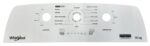
In the automotive industry, overlays have become less common as manufacturers increasingly prefer IML parts and laser etching for their design aesthetics. However, for many other applications, overlays remain a practical choice.
The Overlay Cost Advantage
One of the most compelling reasons to choose overlays is cost efficiency. Because they don't require an injection mold, overlays offer a low-cost solution for creating professional operation panels. For manufacturers looking to bring products to market quickly or produce smaller runs, this can make all the difference.
The Quality Question
Like most products, overlays come in a range of quality levels. While the low-cost appeal can be attractive, OEMs should be cautious about choosing the cheapest options. Standard overlays are often constructed from very thin material, typically around 0.2mm. Over time, these thin overlays can crack, appear wavy, or look uneven when applied to surfaces. What seems like a bargain initially can lead to user dissatisfaction down the road.
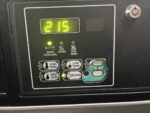
At Sanwa, we've spent years perfecting the art and science of overlay manufacturing. We can improve existing overlays or create entirely new designs that overcome the limitations of standard products. Our overlays typically use thicker materials, up to 1mm, to avoid the wavy, uneven appearance that plagues cheaper alternatives. By using fine expression silk printing (FESP), we can also update the look of your operation panel by adding textures, patterns, and a premium appearance that stands up to daily use.
Overlay Design Possibilities
Patterns and Graphics
Modern overlays don’t have to be just flat, printed films. Sanwa overlays can feature:
Patterns and textures: First-surface textures that add visual interest and tactile feedback
Hidden-until-lit graphics: Elements that appear only when backlit, creating a modern look
3D patterns: Dimensional effects that enhance the user experience
Materials and Adhesive Options
We work primarily with two materials: polycarbonate (PC) and polyethylene terephthalate (PET), each selected based on the specific requirements of your project.
For adhesives, we offer two options:
Double-sided tape for quick, reliable application
Screen-printed adhesive for more precise control
Strategic areas can be left without adhesive, including buttons, windows, dead front areas, and backlit graphics.
Button Integration
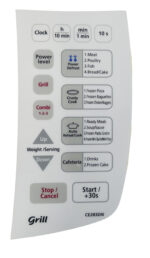
Overlays can work seamlessly with both touch buttons and mechanical buttons. We can also create embossed or raised areas that give users a tactile point of reference. Whether you need rectangle, square, or circle embossing, we can incorporate these features to improve usability, particularly in low-light conditions or for users with visual impairments.
Display Windows
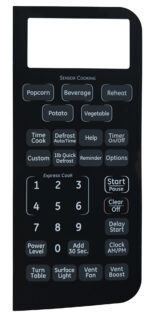
Need a window for a 7-segment display or LCD screen? We can create precisely-sized and positioned display windows. LED indicator windows in any shape (circle, square, or custom) are also possible, allowing for backlit graphics that illuminate when needed and disappear when not in use.
Hard Coating
For applications where durability is critical, we can apply a hard coating to the overlay surface. This protective top layer guards against abrasions, scratches, and exposure to chemicals, extending the life of your operation panel significantly.
Elevating Overlay Technology
Overlay technology has stood the test of time because it works. It still offers a reliable solution for product design that balances cost, functionality, and aesthetics. At Sanwa, we believe proven doesn't have to mean outdated. With advances in materials and printing technology, we're able to bring new life to this classic method.
Whether you're designing a new product or looking to improve an existing one, Sanwa can update your overlay design with technology that makes your product stand out in the marketplace and last longer in the field. We're ready to help you create operation panels that look great, function flawlessly, and deliver the durability your customers expect.
Contact us today to discuss how our advanced overlay solutions can enhance your product design.